PERFUMES AND COSMETICS
Context and challenges
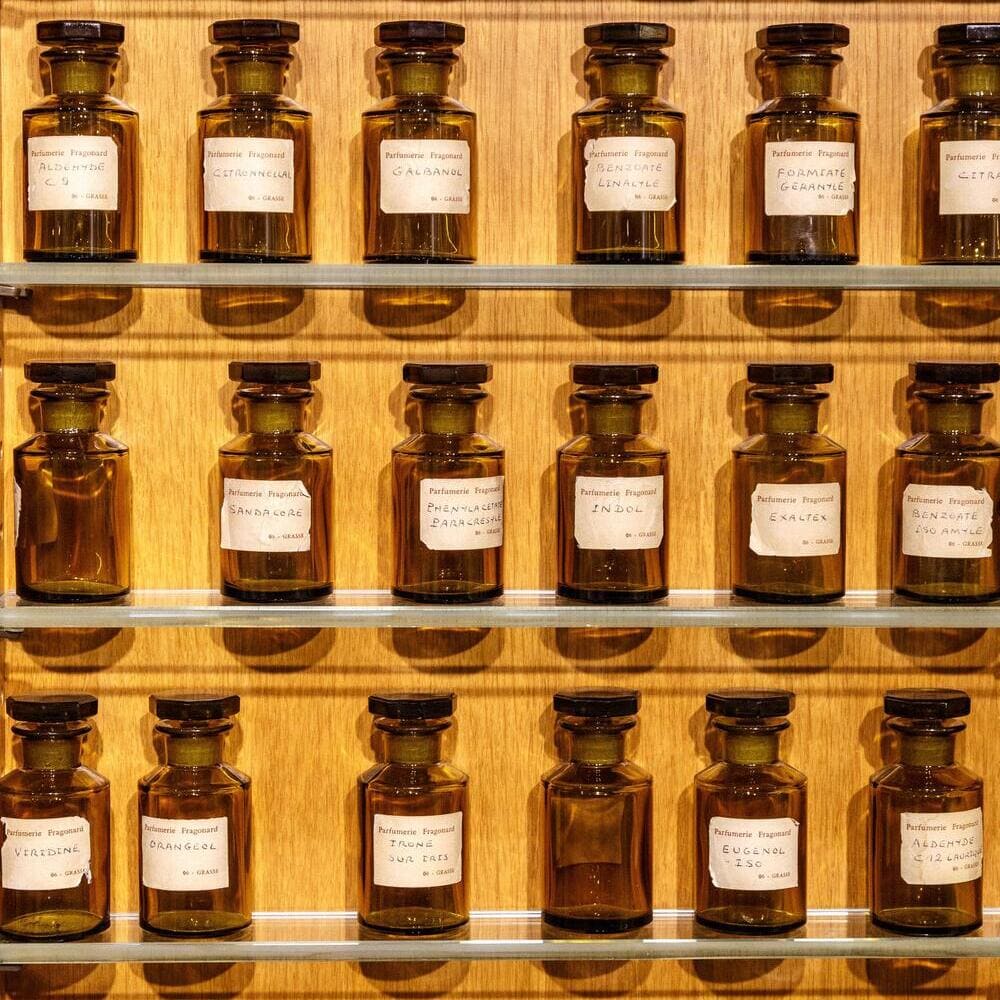
The perfume and cosmetics sector is currently facing major environmental challenges. The production of fragrances and formulas requires significant amounts of water and energy, while the extraction of natural ingredients (essential oils, botanical extracts, palm oil) puts a strain on biodiversity and tropical ecosystems. Packaging, often made of multi-layer plastic or precious glass, generates waste that is difficult to recycle. In addition, traditional chemistry still uses synthetic substances that are persistent or toxic to aquatic fauna. Under pressure from regulations and consumers, the sector is reinventing itself: substitution of ingredients with reduced impact, biodegradable formulations, refillable bottles, short circuit of raw materials and sustainable chemistry to limit carbon footprint and pollution.
Key figures
0.5%
of global GHG emissions

104 million m3
Global water consumed for the sector in 2020
114 billion
Unit of non-recycled packaging waste per year

Sources: Euromonitor International, Voice of the Industry, tdi-sustainability, Cleanhub, (theindustry.beauty)

Our support
Understanding the pressures
We start with a systemic analysis of your footprint, sifting through your formulas, manufacturing processes and packaging choices to accurately assess their impact on biodiversity (herb picking, soil management), water consumption and CO₂ emissions. This diagnostic phase, based on your LCA data and completed by a sector benchmark, feeds into the construction of a tailor-made roadmap, where each quantified objective is accompanied by operational milestones adapted to your organization.
Design sustainably
We refine the eco-design of your products by looking at every ingredient and extraction process. Our role is to identify bio-based or technical alternatives with a lower impact, and then to model the effect of these substitutions on your environmental performance and costs. At the end of this work, you will have comparative scenarios that allow you to make informed decisions between different avenues of responsible innovation.
Taking an overview of the value chain
Logistics and flow management are the subject of a detailed map: sourcing of raw materials, transport routes, packaging formats and recycling circuits for plant by-products. We analyse the levers of mutualisation, the opportunities for deposit or recharging and the best way to track your flows via digital tools, in order to reduce your indirect emissions and improve the resilience of your value chain.
Enhance your sustainable performance
we support you in the regulatory monitoring and strategic enhancement of your commitments: CSRD and Green Claims, identification of the most relevant bio-based labels, and construction of a striking CSR argument. This clear positioning, based on a solid diagnosis, allows you to transform legislative imperatives and consumer expectations into differentiating assets and levers for green financing.