JEWELRY AND WATCHES
Context and challenges
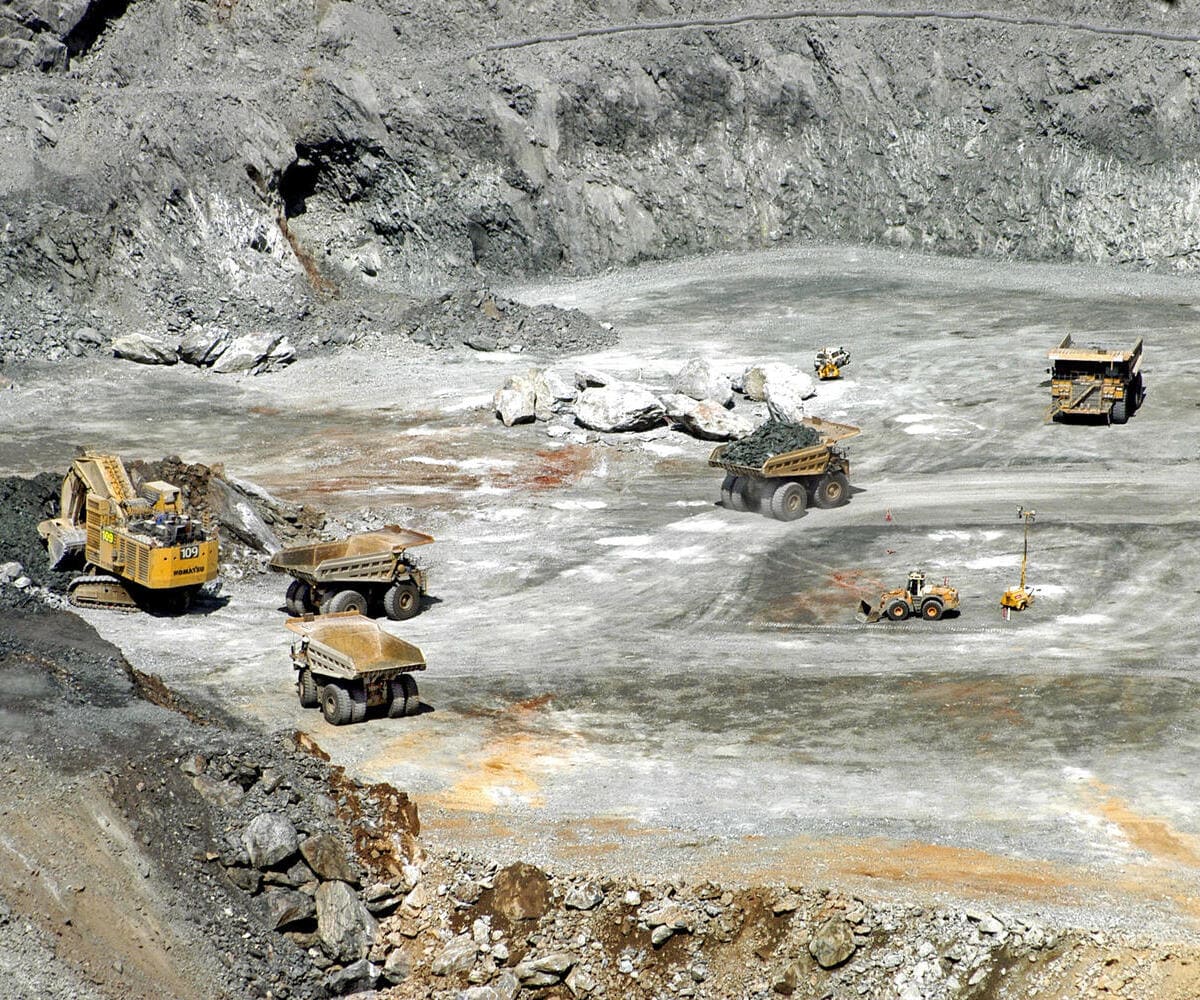
The jewelry sector is currently facing major environmental challenges. The extraction of precious metals (gold, silver, platinum) and gems (diamonds, emeralds, sapphires) generates a high consumption of energy and water, as well as the use of toxic chemicals (cyanide, mercury) to separate the ores. Untreated rock waste and effluent contaminate soils and waterways, threatening biodiversity and local communities. In addition, the international transport of raw materials and finished jewellery further increases the carbon footprint of the sector. Finally, the culture of demand — based on ever-increasing extraction — exerts continuous pressure on natural resources, often fueling conflicts of use and unethical practices. Faced with these challenges, the sector is turning to more responsible solutions: certified sourcing (Fairmined, RJC), recycling of precious metals, lower-impact extraction technologies and digital traceability of value chains. By adopting these best practices, jewelry can combine prestige and environmental protection.
Key figures
25.7 tCO2e
Per kg of gold mined (average)

480 Liters
Water consumption for one diamond carat
1,250 tons
Of rocks moved to obtain 1 kg of gold

Sources : World gold council, The environmental impacts and sustainable pathways of the global diamond industry (nature.com), Metals Focus, World Gold Council
Our support
Establish your environmental footprint
We start with a study of the impacts of your collections and workshops, consolidating your data on water consumption (extraction, polishing, finishing), CO₂ emissions (metal mining and refining, machining, transport) and pressures on biodiversity (gold mines, precious stone quarries). This mapping highlights your "hot spots" — for example, the energy intensity of extraction or the volume of effluent from the treatment baths — and feeds into an accurate diagnosis of your footprint.
Analyze your physical and transition risks
We assess your vulnerability to climatic hazards (water stress in mining basins, melting ice affecting the supply of metals, increase in the cost of fossil fuels) as well as transition risks (carbon taxation, strengthening of environmental standards). By modulating these factors in prospective scenarios, we highlight both threats to the continuity of your supplies and valuation opportunities
Prioritise an overview of your value chain
Beyond the sourcing of precious metals and gems, we analyse your entire value chain: foundry, setting, quality control and distribution. We build a rigorous traceability framework, integrating Fairmined/RJC certification or the use of recycled metals, and propose eco-design and circularity guidelines (reuse of old stones, mono-materiality, optimization of finishing processes, sustainable packaging). Rather than listing actions, we provide a prioritization matrix allowing you to prioritize and manage your initiatives according to their environmental impact and ROI.
Enhance your extra-financial reporting
we structure your extra-financial communications to meet CSRD, CDP, EU Taxonomy and other standards requirements. We translate your key metrics — water consumption per carat, CO₂e emissions per kilogram of gold or platinum, recycled material rates — into dynamic and narrative CSR dashboards, ready to integrate into your annual reports and ESG rating platforms. You thus have a complete system to manage your sustainable performance, secure your markets and attract investors and demanding customers.